Postpartum Weight Loss: Why It Feels Harder and How a Medically Supervised Approach Helps
Postpartum Weight Loss: Why It Feels Harder and How a Medically Supervised Approach Helps September...
Read More →
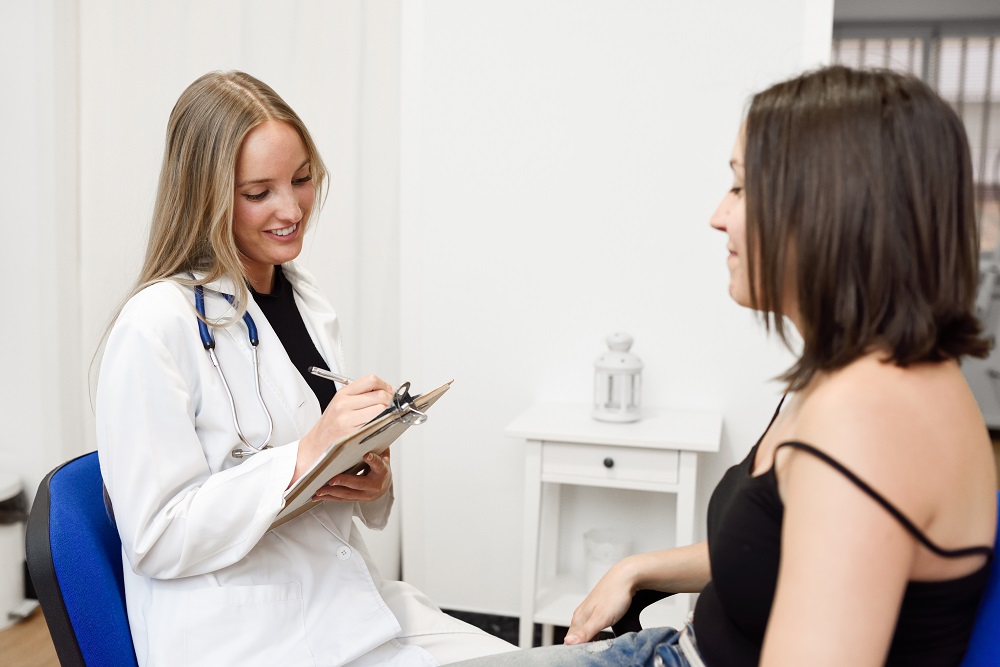
If you have never had a well woman exam before or if it has been a while since your last one you might have questions about what actually happens during the appointment. Is it the same as a regular physical? Will it be uncomfortable? What will they check?
These are completely normal questions, and at Women’s Wellness of SA, we hear them every single day. The well woman exam is one of the most important preventive health tools available to women and yet many women skip it simply because they are not sure what to expect.
This guide will walk you through exactly what a woman wellness exam is, what it includes, and why scheduling yours especially during Women’s Health Month this May could be one of the most important health decisions you make this year.
A well woman exam also called a women’s wellness exam, annual women’s checkup, or well-woman check is a comprehensive preventive health appointment designed specifically for women. Unlike a sick visit (where you come in with a specific problem), a well woman exam is proactive: the goal is to assess your overall health, catch potential problems early, and keep you informed about your body at every stage of life.
According to the Office on Women’s Health (U.S. Department of Health & Human Services), well woman visits are recommended annually for all women and are a cornerstone of preventive women’s healthcare. They are typically fully covered by most insurance plans as a preventive benefit meaning there is often no out-of-pocket cost to you.
In simple terms: A well woman exam is your annual opportunity to take charge of your health before a problem develops.
This is the question we get most often and the answer depends slightly on your age, personal health history, and risk factors. But here is what a comprehensive well woman exam at Women’s Wellness of SA typically covers:
Your provider will begin by reviewing your:
This conversation is private, confidential, and judgment-free. Be as honest as possible it helps your provider give you the most personalized care.
A general physical assessment that includes:
A clinical breast exam involves your provider carefully checking both breasts and underarm lymph nodes for lumps, changes in texture, nipple discharge, or other abnormalities. This is separate from a mammogram and is an important first-line screening tool.
Women 40 and older or those with a family history of breast cancer will also be discussed for Breast Cancer Screening including mammography. According to the American Cancer Society, annual mammograms starting at age 40 can reduce breast cancer mortality significantly.
A pelvic exam allows your provider to visually and manually check the:
This examination helps detect infections, cysts, fibroids, or other structural changes that may not cause symptoms yet.
A Pap smear (or Pap test) involves collecting a small sample of cells from the cervix to screen for abnormal changes that could indicate cervical cancer or HPV infection. The American College of Obstetricians and Gynecologists (ACOG) recommends:
Many sexually transmitted infections including chlamydia, gonorrhea, HIV, syphilis, and hepatitis B have no noticeable symptoms in women. Routine screening is the only way to know your status and protect your health.
At Women’s Wellness of SA, STD screening is offered as part of the well woman exam or as a standalone visit. Learn more about our STD Testing services and why the CDC recommends annual STD screening for all sexually active women under 25, and for older women with risk factors.
Hormonal health plays a central role in how women feel at every stage of life. During your well woman exam, your provider will discuss:
If hormonal imbalance is suspected, your provider may recommend lab testing and discuss whether Hormone Replacement Therapy (HRT) might be appropriate for your symptoms and health history.
Your BMI and weight trends are reviewed in the context of your overall health not judgment. If weight management is a concern, your provider can discuss personalized options, including our Medical Weight Loss program at Women’s Wellness of SA, which uses a clinically supervised approach to sustainable, lasting results.
Your provider will review your vaccination history and may recommend:
Women’s health is not just physical. Your provider will screen for:
This holistic approach ensures your emotional well-being is given the same attention as your physical health.
| Age Group | Key Focus Areas |
| Ages 18–29 | Pap smear, STD screening, HPV vaccine, contraception counseling, mental health |
| Ages 30–39 | Pap + HPV co-test, thyroid check, hormone discussion, fertility counseling if applicable |
| Ages 40–49 | Mammogram discussion, perimenopause signs, cholesterol, blood pressure, bone health |
| Ages 50–65 | Menopause management, HRT evaluation, bone density (DEXA scan), colorectal screening referral |
| Ages 65+ | Osteoporosis management, cardiovascular risk, medication review, and cognitive health discussion |
Great question and one we get often. Here is the key difference:
A general physical exam (done by a primary care provider) focuses on overall health heart, lungs, blood pressure, cholesterol, and general wellness.
A well woman exam goes further by adding:
Many women use their well-woman exam as their primary annual health visit it covers everything a general physical does, plus additional elements specific to women’s health.
To make the most of your appointment, bring:
This is the question most women are too nervous to ask. The honest answer: Most women experience minimal discomfort during a well woman exam.
If you have anxiety about the exam, tell your provider we will take extra time, go at your pace, and make sure you feel safe and comfortable throughout the entire visit.
Annually every year. Even if everything looks normal, yearly visits allow your provider to:
The American College of Obstetricians and Gynecologists (ACOG) recommends that all women have a well woman visit at least once per year, starting in their late teens.
At Women’s Wellness of SA, we provide comprehensive, compassionate well woman exams at our Live Oak, TX clinic conveniently serving women across San Antonio, New Braunfels, Universal City, and Schertz.
Here is what sets our care apart:
Your annual well woman exam is one of the most powerful things you can do for your long-term health. It takes less than an hour and it could catch something that changes everything.
A well-woman exam is not just a routine checkup; it is the most powerful annual investment in your long-term health. In the time it takes to watch a movie, your provider can screen for cancer, assess your hormones, check your heart health, review your reproductive wellness, and answer every question you have been storing up all year.
Do not wait for something to feel wrong before you take action. At Women’s Wellness of SA, we make it easy, comfortable, and completely personalized to you, wherever you are in your health journey.
A well woman exam is a comprehensive annual preventive health appointment for women that includes a physical examination, pelvic exam, Pap smear, breast exam, STD screening, hormone discussion, and age-appropriate cancer screenings. It is designed to assess overall health and catch potential problems early.
A well woman exam typically includes a health history review, blood pressure and physical assessment, clinical breast exam, pelvic exam, Pap smear (cervical cancer screening), STD/STI screening, hormone health discussion, weight and metabolic health review, vaccination updates, and mental health screening. The specific components may vary based on your age and personal health history.
You will begin with a private conversation about your health history and any concerns you have. Your provider will then conduct a physical examination, including a breast and pelvic exam, collect a Pap smear if due, discuss any hormonal symptoms, review your screening schedule, and answer all your questions. Most appointments take 45–60 minutes from start to finish.
A general physical covers overall health heart, lungs, blood pressure, and cholesterol. A well woman exam goes further by adding a pelvic exam, Pap smear, breast exam, reproductive health assessment, STD screening, and women-specific hormone and cancer risk evaluation. Many women use it as their primary annual health visit.
Most women experience minimal to no pain. The pelvic exam may involve a feeling of mild pressure, and the Pap smear involves a brief scraping sensation lasting only seconds. Telling your provider if you are anxious allows them to go at your pace and ensure you are comfortable throughout.
Every year regardless of how healthy you feel. Annual visits allow your provider to track your health over time, update age-appropriate screenings, and identify early changes that may not yet cause symptoms. The American College of Obstetricians and Gynecologists recommends yearly well woman visits beginning in a woman’s late teens.
A well woman exam and a gynecology visit overlap significantly both include pelvic exams and reproductive health assessments. However, a well-woman exam is broader in scope, covering general physical health, cardiovascular risk, metabolic health, mental health screening, and vaccinations. Think of it as a full-spectrum women’s health check.
Yes in most cases. Under the Affordable Care Act, preventive well woman visits are covered at no cost to the patient for most insurance plans. This includes the physical exam, Pap smear, breast exam, and many recommended screenings. Contact our office at 210-858-9767, and we will help verify your specific coverage before your visit.